Introduction
During my time ground-truthing in Ethiopia, I saw a lot of maize plants. Some were thin and spindly, the soil pale and crumbly. In other plots, though, the stalks stood tall alongside legumes, climbing yams, and other vegetables. The soil was dark, moist, alive.
The difference was stark. And the best part? We know exactly why those healthy plots were doing so well—and how other farmers could transform their soils to achieve those successes, too.
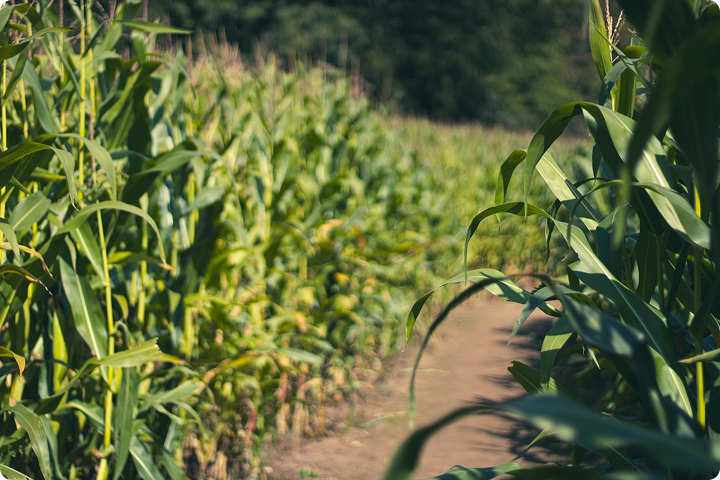
During my time ground-truthing in Ethiopia, I saw a lot of maize plants. Some were thin and spindly, the soil pale and crumbly. In other plots, though, the stalks stood tall alongside legumes, climbing yams, and other vegetables. The soil was dark, moist, alive.
The difference was stark. And the best part? We know exactly why those healthy plots were doing so well—and how other farmers could transform their soils to achieve those successes, too.
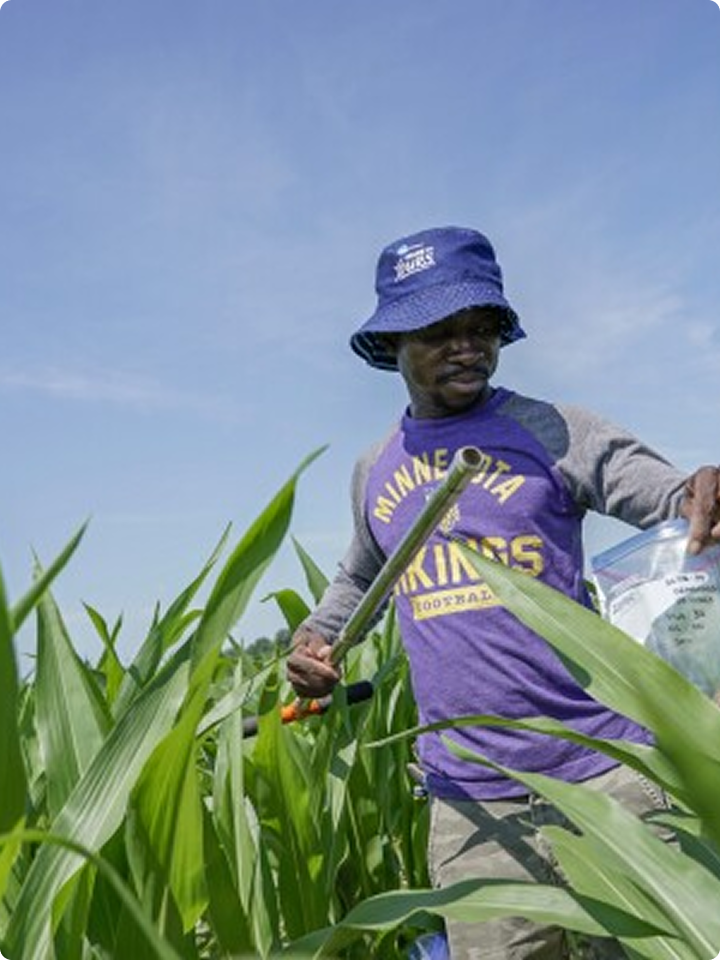
The successful farmers, I learned, were focusing on soil health and sustainable productivity through the Scaling Conservation Agriculture-based Sustainable Intensification (SCASI) project, supported by the International Maize and Wheat Improvement Center (known as CIMMYT, its Spanish acronym). With high-quality seeds, technical support, and science-based sustainable intensification technologies, SCASI aims to boost the yields and incomes of Ethiopia’s smallholder farmers and make them more resilient to climate variations.
“In a world older and more complete than ours they move finished and complete, gifted with extensions of the senses we have lost or never attained, living by voices we shall never hear.”
— Olivia Rhye, Product Designer
“Family farms in Ethiopia are ‘all in’ on protecting their soil health with mulch and conservation practices to keep their crops productive in the face of scorching heat and reoccurring droughts,” Sieglinde Snapp, director of the Sustainable Agrifood Systems program at CIMMYT, tells Food Tank.
And this literally changes people’s lives. One farmer and mother told me that, before working with the SCASI project, her family was lucky to eat once a day, and now they have three meals. A single mother of three said higher income from SCASI techniques helped transform her kids’ access to education.
Farmer Adanech Bebiso says she had previously used conventional techniques, but once she began working with the SCASI initiative, her yields nearly tripled while she also improved her land health.
“This farm has improved our lives in many ways, and we are truly benefiting from this endeavor,” she tells CIMMYT.
CIMMYT
Across more than 40 countries, CIMMYT is building farmer-centered approaches to share knowledge, implement solutions, and deepen the effectiveness of conservation agriculture. These are truly tools designed with farmers, not simply for them, which I deeply admire. And more than 75,000 smallholder farmers have benefitted from these projects so far, CIMMYT estimates.
SCASI
Look, we know there’s no silver bullet to solve the climate crisis. SCASI projects, like many forms of transitioning to more regenerative practices, can call for higher costs and labor up-front. But we also know that the long-term benefits to yields and soil health—not only regarding cereal crops but also root crops like taro and sweet potato—consistently outweigh these perceived challenges, farmers find.
In the challenge, we find the solution: Let’s make the right choice the easy choice! Let’s empower farmers not only with tools to build sustainable, planet-friendly livelihoods for generations to come, but also with the financial resources they need to adopt those tools on their farmland!
Heading text
Interventions with the SCASI project are locally tailored by design, so they’re meant to respond to unique community needs rather than being one-size-fits-all solutions. The specific techniques that turned sickly plants into the vibrant, nourishing maize I saw in Ethiopia may not be able to be replicated verbatim in cornfields in Iowa. But the animating idea is the same: Our solutions need to start from the ground up, led by farmers.
Here at Food Tank, I love hearing stories of hope and success in the global food system, which is why I’m sharing these reflections from witnessing CIMMYT’s work in Ethiopia.


